Lamination vs Coating Printing: How to Choose the Right Finish
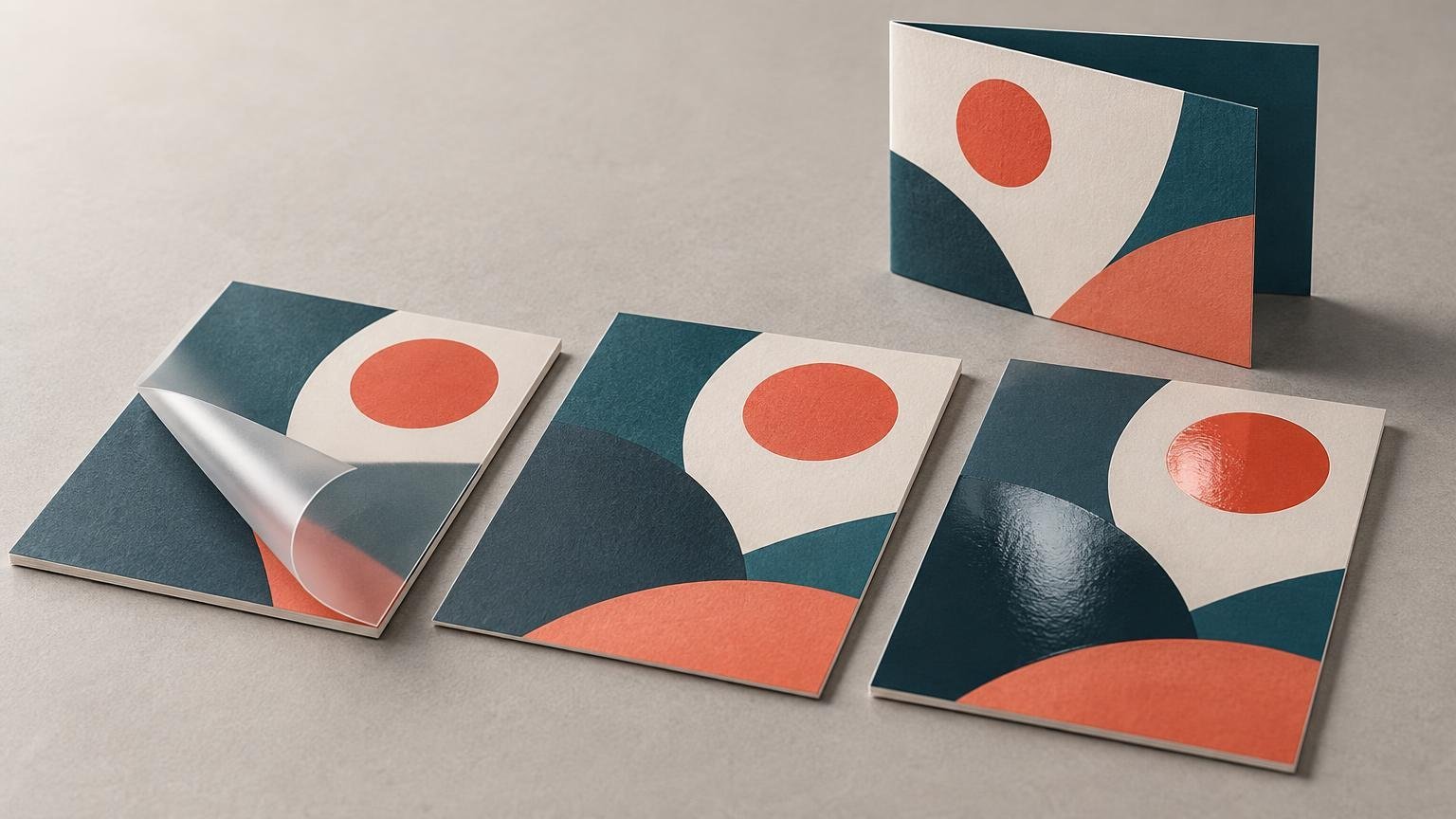
Lamination bonds a film to the print, while aqueous, UV and varnish coatings are applied as liquids. Compare their practical effects before choosing a finish.

Lamination bonds a film to the print, while aqueous, UV and varnish coatings are applied as liquids. Compare their practical effects before choosing a finish.
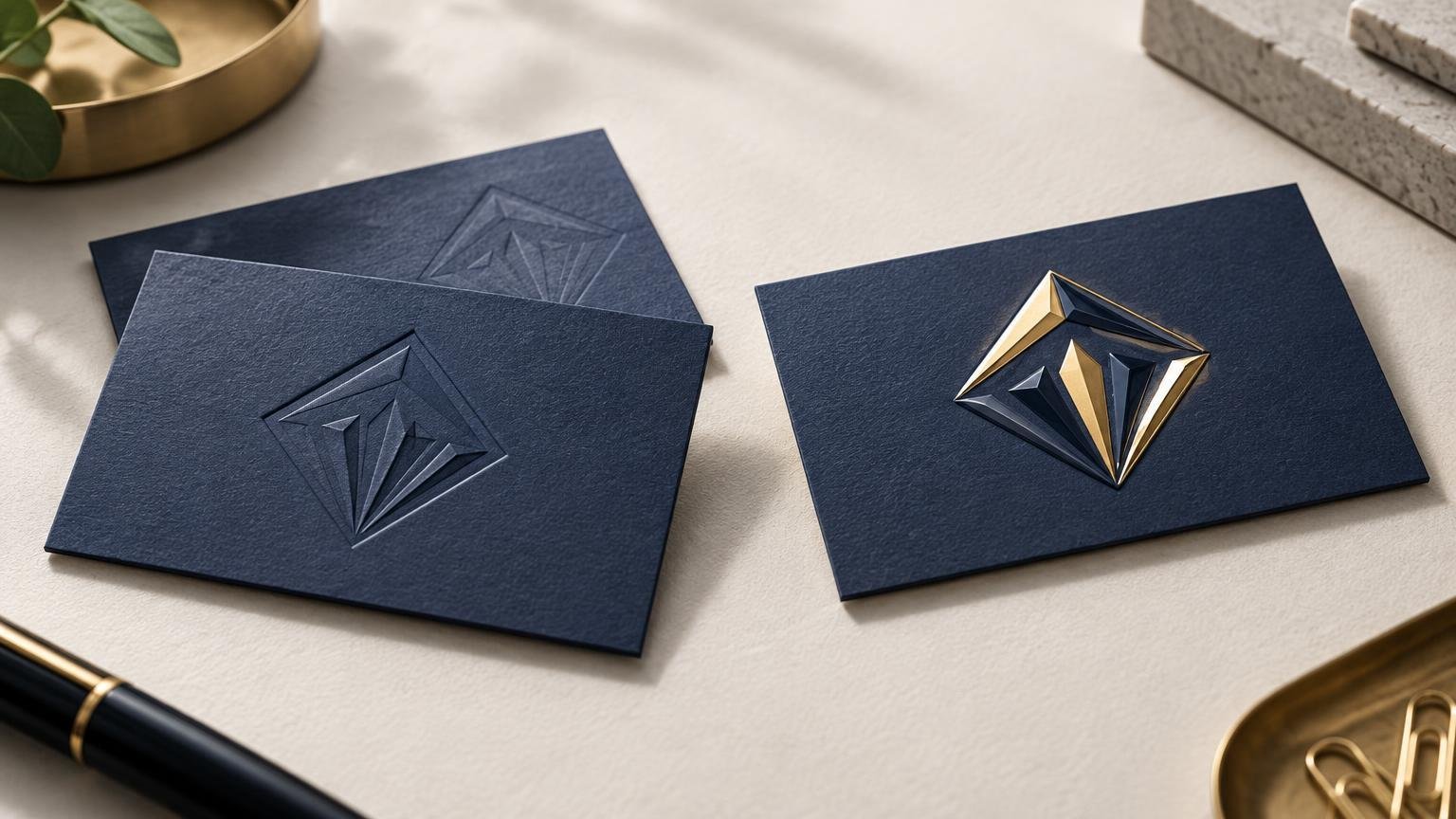
Embossing physically forms the substrate with matched tooling and pressure. Digital embellishment covers several file-driven effects, potentially including raised polymer, tactile varnish, foil, gloss, texture, and variable designs. This guide explains how to identify what a printer is actually offering.
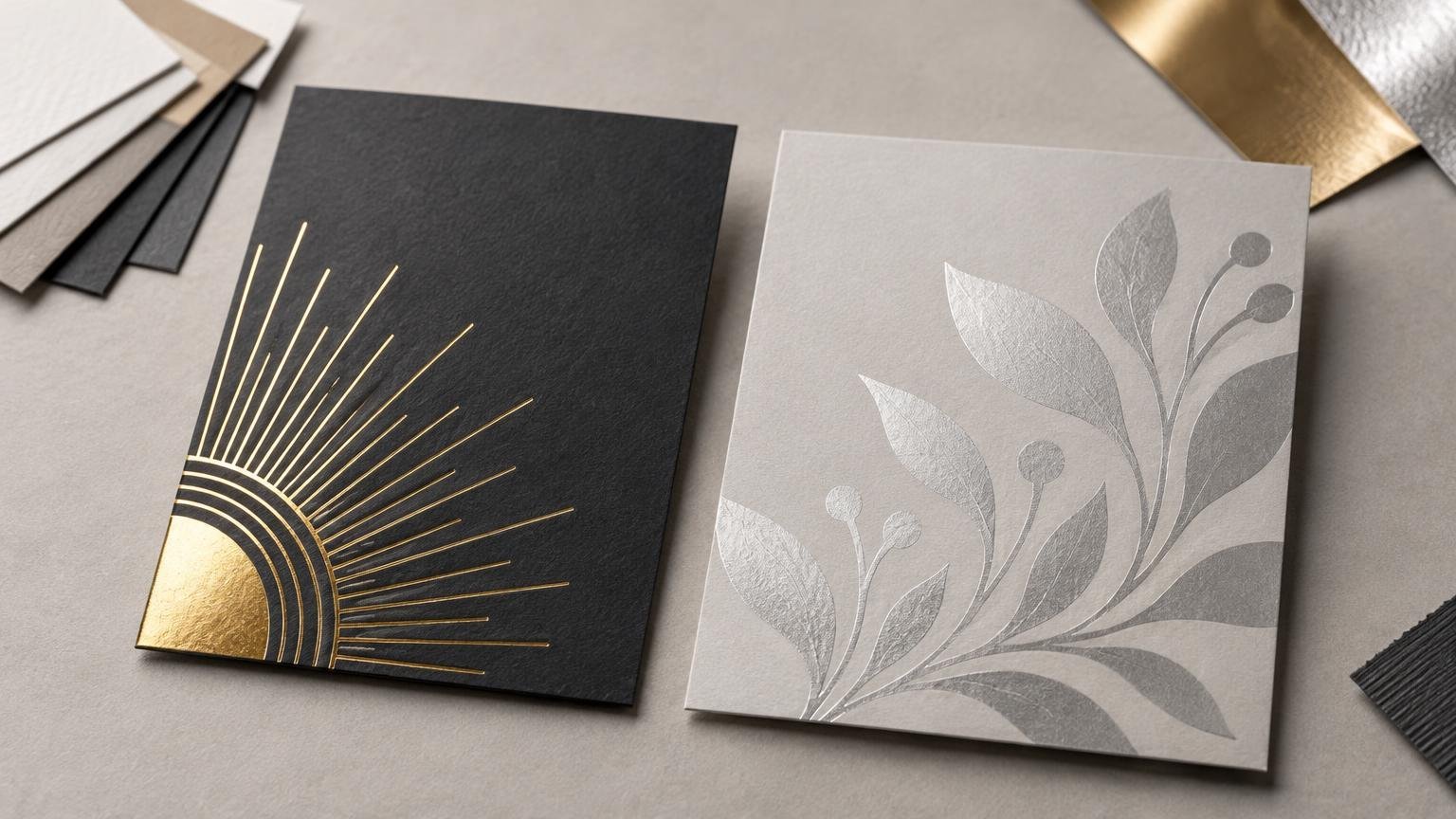
Foil is a transferred decorative material, while metallic ink can refer to several ink, toner, underprinting, or substrate workflows. This guide explains how to identify the process and choose the right finish for your artwork.
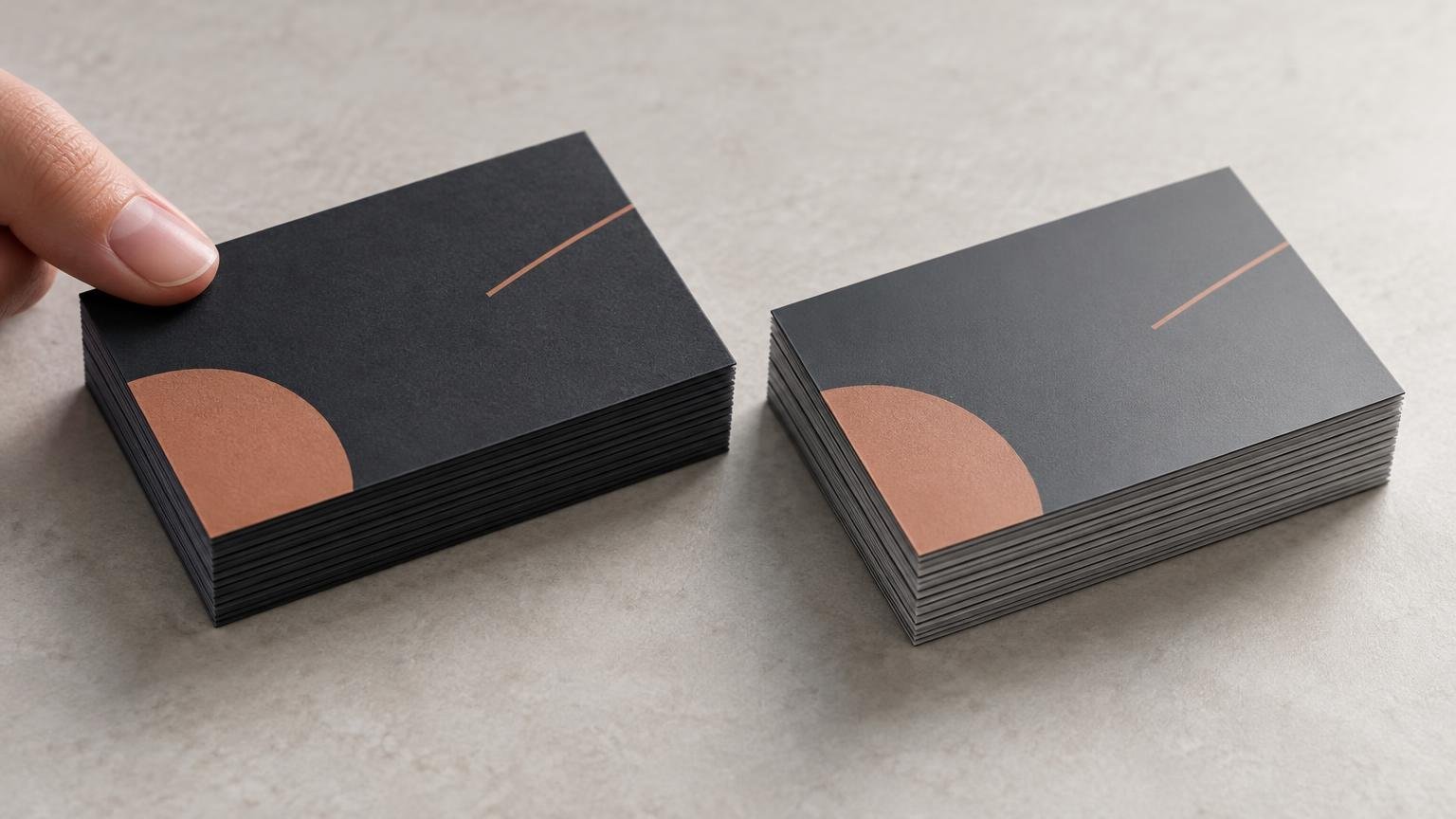
Soft touch emphasizes a velvety tactile effect, while matte lamination usually prioritizes a restrained, low-glare appearance. The right choice depends on the complete construction, not the finish name alone.

Gloss lamination is reflective and visually punchy, while matte reduces glare and looks more subdued. The right choice depends on viewing conditions, artwork, handling, and the printer’s exact film construction.