
If you’ve ever handed someone a business card and watched them rub it between their fingers for an extra second, you already get why finishes matter. The feel becomes part of the brand. And the “Soft touch vs silk vs matte laminate” choice is basically you deciding what that first impression feels like: velvety, smooth-satin, or clean and flat.
This guide breaks down what each laminate is, how it holds up in real life (pockets, fingerprints, scuffs), and which one i’d pick depending on the design.
Soft touch vs silk vs matte laminate: quick comparison
Here’s the practical difference most people notice in-hand.
| Finish | Looks like | Feels like | Best at | Watch-outs |
|---|---|---|---|---|
| Soft touch laminate | Matte, premium | Velvet/suede, “rubbery-soft” | High-end tactile impact | Dark solid areas can show rub marks; not great for writing |
| Silk laminate | Matte to satin | Smooth, refined | Durability + “nice” feel without going full velvet | Not as dramatic as soft touch |
| Matte laminate | Flat, low-glare | Smooth, dry | Readability, simple clean look | Can show scuffs on heavy handling; not ideal for writing either |
What “laminate” actually means on a business card
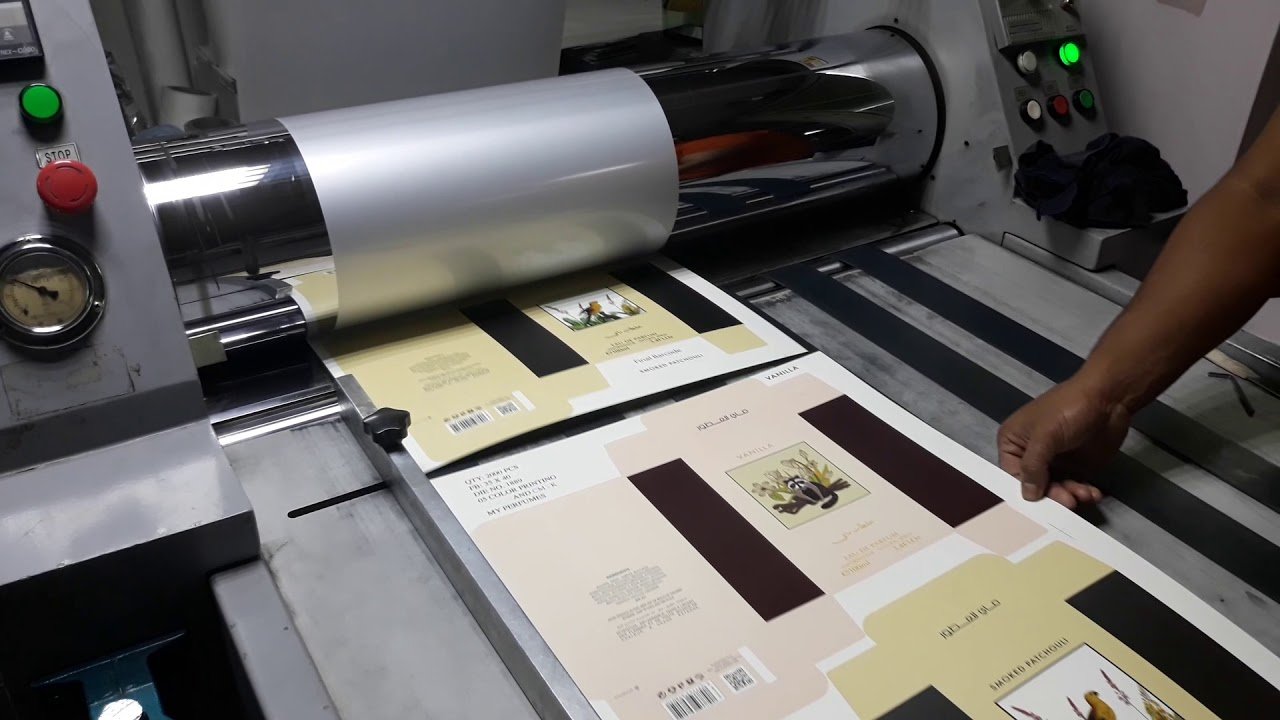
Lamination is a thin plastic film applied over printed cardstock. It changes two things immediately:
- Durability (it resists moisture, oils, and general wear better than uncoated paper).
- Thickness and stiffness (a little film adds more “snap” than you’d expect).
This is also where confusion starts: some printers say “matte finish” but mean a coating (like aqueous/UV), not a laminate film. If you need maximum toughness and that sealed, clean surface, laminate is usually the thing you’re looking for.
Soft touch laminate (aka velvet or suede)
Soft touch is the “people can’t stop touching it” option.
You’ll hear it called soft touch, velvet, or suede lamination. Visually it’s usually matte and low-glare, but the main point is the tactile surface. If you want your business card to feel like it cost more (even if it didn’t), soft touch does that.
When soft touch makes the most sense:
- Minimal designs (a logo, a mark, clean type).
- Dark backgrounds where the contrast is strong and the vibe is premium.
- Brands that sell taste: design studios, real estate, high-end services, salons, photography, luxury anything.
The real-world downsides:
- Marks can show on big dark solids. Not always, but it’s common enough that i plan around it.
- Writing on it is annoying. Pens can skid or smear. If you need appointment notes or “call me next week” scribbles, soft touch is not your friend.
Silk laminate (the “best all-around” middle ground)
Silk laminate is what i recommend when someone wants “nicer than basic,” but doesn’t want to baby their cards.
Silk typically lands between matte and gloss visually. It’s not shiny, but it often has a subtle sheen and a smoother “fabric-like” feel compared to standard matte laminate. It’s popular because it tends to look refined while handling day-to-day wear really well.
Where silk shines (yeah, that word is doing too much work here):
- You hand out lots of cards and they live in wallets, pockets, laptop bags.
- You want a premium feel, but you don’t want the “velvet” texture.
- You’re planning to add extras like spot UV or foil stamping and want a durable base.
If you’re comparing Soft touch vs silk vs matte laminate strictly on practicality, silk is often the safest bet.
Matte laminate (clean, readable, and predictable)
Matte laminate is the default for a reason. It looks modern, kills glare under harsh lights, and doesn’t scream for attention.
Matte works best when:
- Your card is text-heavy and readability matters.
- You want a clean, understated brand presentation.
- You want the laminate protection without paying for specialty feel.
A couple honest notes:
- Matte can still show scuffing if your cards get abused (think: loose in a purse with keys).
- Writing is still not great. It’s laminate, so it’s still plastic on the surface. Some pens behave better than others, but i wouldn’t design a “write-on” workflow around it.
How to choose based on your design (and your lifestyle)
Most people pick a finish based on vibes, then regret it based on fingerprints. So here’s the shortcut.
Pick soft touch if:
- The card is part of the experience (luxury, high-end, boutique).
- You have a simple, bold design that benefits from tactile impact.
- You’re ok with minor handling marks being part of real life.
Pick silk if:
- You want premium but durable.
- Your design has photos, gradients, or lots of ink coverage.
- You want something that still feels special after riding around in someone’s wallet.
Pick matte laminate if:
- You want clean and readable.
- You’re printing a lot of cards and want to keep cost controlled.
- You want a safe choice that almost never looks “wrong.”
And if you’re still picking a printer (not just a finish), these two comparisons can help narrow down vendors and options:
- Vistaprint vs Jukebox Print for Custom Business Card Printing
- Elite Flyers vs Minted: Which Is Better For Business Cards?
Questions to ask before you hit “order”
Printers use the same words for slightly different things. If you want to avoid surprises, ask:
- Is this lamination film or a matte coating?
- Is it single-sided or double-sided laminate?
- What’s the final thickness (14pt, 16pt, 19pt, etc.)?
- Is the matte film scuff-resistant or standard matte?
- If i’m adding spot UV or foil, is this finish compatible with those upgrades?
Common problems (and how to avoid them)
Problem: Fingerprints and smudges show up.
Fix: Avoid huge solid dark panels (or accept reality). Consider silk or a scuff-resistant matte, and keep heavy blacks away from the edges where hands grab.
Problem: The card looks “duller” than expected.
Fix: Matte finishes can soften contrast. If your design relies on punchy contrast, test silk or adjust the file (slightly brighter midtones can help).
Problem: You need to write notes on the card.
Fix: Consider an uncoated back (if offered), or skip lamination entirely. If you must laminate, test pen types before you print 1,000 regrets.
Bottom line
If you want the fancy feel that people remember, go soft touch. If you want the best mix of durability and premium look, go silk. If you want simple, readable, and dependable, matte laminate is the workhorse.
And yes, the “Soft touch vs silk vs matte laminate” decision is more emotional than it should be. But business cards are tiny pieces of paper that somehow still carry a lot of weight.