
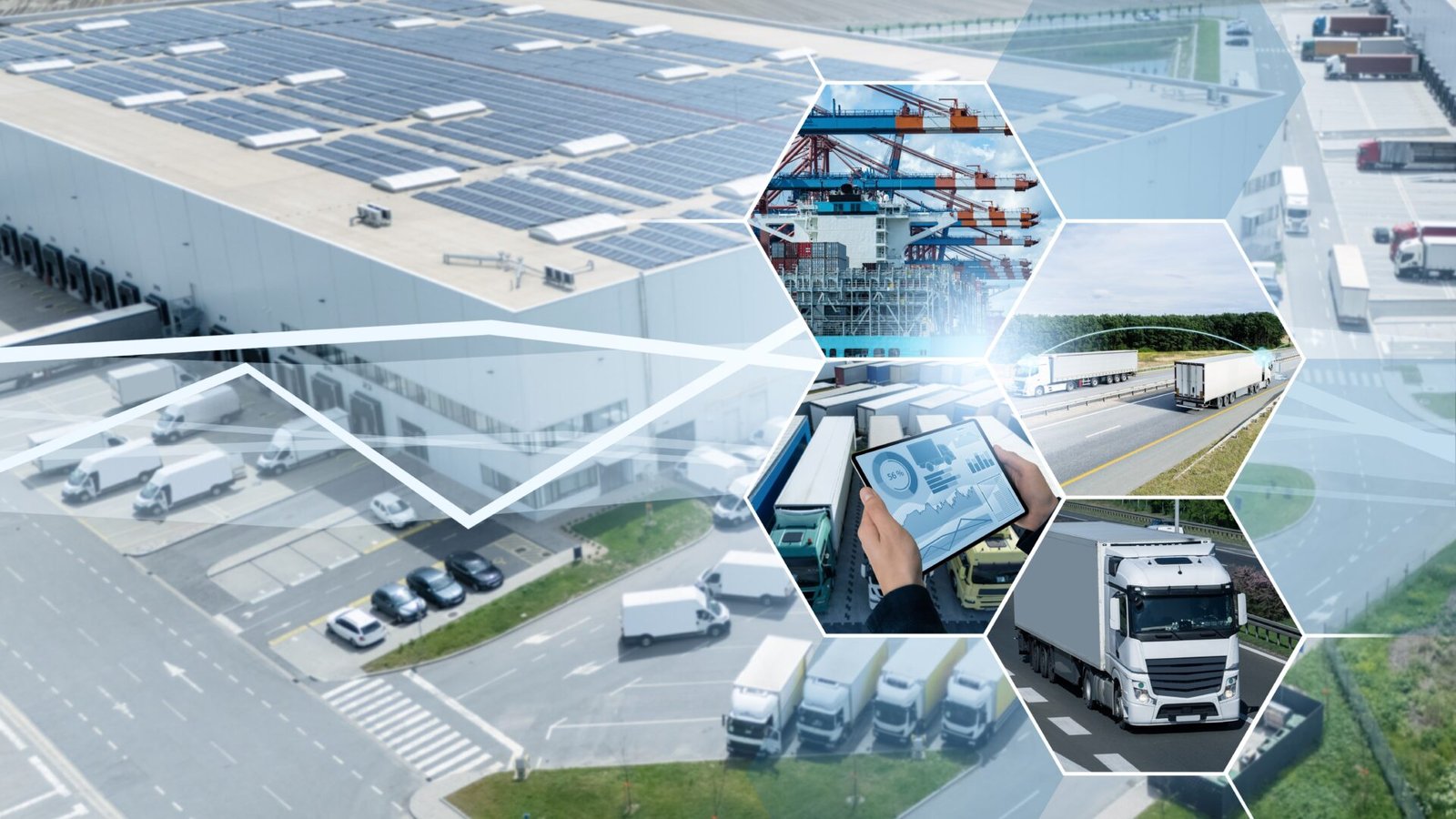
If you only ship domestically, you’re used to a pretty simple story: box goes on truck, box shows up, everyone celebrates. International trade adds layers: multiple carriers, different laws, customs inspections, currency, time zones, and a bunch of people whose job titles sound made up until you need them.
And the kicker: when something goes sideways, the “who pays for this” question depends on what you agreed to up front. That’s why international shipping logistics is less about transportation and more about responsibility.
International shipping logistics chapters (what we’re covering)
- Storage and Fulfillment
- Customs
- Air Shipping
- Ocean Shipping
The cast of characters (who does what)
Before we jump into the chapters, it helps to know who’s actually touching your order:
- Factory: Makes the goods, packs cartons, labels pallets, and hands freight to the next link in the chain.
- Freight forwarder: The travel agent for cargo. They book space on planes and ships, coordinate pickup, and manage routing.
- Carrier: The company that physically moves the freight (ocean line, airline, trucking company, rail).
- Customs broker: Files import paperwork, classifies goods, and helps calculate duties and taxes.
- Importer of record: The party legally responsible for the import. This matters a lot.
- Warehouse / 3PL: Stores goods and handles fulfillment if you are distributing to many locations.
If your printer or print partner says “we handle logistics,” what they usually mean is they are managing some combination of forwarder, broker, and last-mile delivery so you do not have to assemble this cast yourself.
Storage and Fulfillment
Storage is the quiet part of international shipping that still finds ways to cause drama.
Why storage exists in the first place
Goods rarely go straight from factory to your door. They might pause in storage because:
- You are waiting for the rest of a split shipment to finish production.
- Orders are being consolidated with other freight to reduce cost.
- A quality check needs time, photos, or rework.
- Shipping lanes are congested, and you are waiting for a booking.
The packaging details that actually matter
Printed goods are vulnerable in boring, predictable ways: crushing, corner damage, moisture, scuffing, and warping. Warehouses and trucking terminals are not gentle places. If you are shipping anything that needs to look pristine (high-end cards, premium packaging, retail-ready boxes), you want:
- Strong outer cartons (not just “fine for local delivery”)
- Consistent carton weights so pallets do not collapse
- Palletization that keeps cartons square and strapped
- Moisture control (desiccants, stretch wrap, liner bags) if ocean shipping is involved
- Clear labels (carton count, PO, destination, handling marks)
Fulfillment: one address vs many addresses
International shipping is simplest when everything lands at one dock. It gets more complex when:
- You are splitting inventory across multiple warehouses
- You are shipping directly to customers in different countries
- You are trying to drop-ship across borders (which triggers more customs events)
If you’re distributing, it’s common to bring freight into one country first, store it with a 3PL, then ship domestically from there. It adds a step, but it usually reduces chaos.
Customs
Customs is where international shipping stops being “shipping” and becomes “compliance.” This is also where surprise bills are born.
The three things customs cares about
In practice, customs authorities want:
- What is it? (classification)
- What is it worth? (value)
- Where is it from? (origin)
If any of those are unclear or inconsistent across documents, shipments get delayed.
Key paperwork (the usual suspects)
You will keep seeing these documents in international shipping logistics:
- Commercial invoice: Describes goods, value, buyer/seller, and trade terms.
- Packing list: Carton counts, weights, dimensions, and how product is packed.
- Bill of lading (ocean) / air waybill (air): Proof of carriage and shipment details.
- Certificates (as needed): Country-specific requirements (sometimes origin documentation).
HS codes: the tiny numbers with big consequences
HS codes classify goods for duty and regulation purposes. If the HS code is wrong, you can get:
- Incorrect duty rates
- Delays or exams
- Fines in some cases
- Painful reclassification fixes after arrival
You do not need to become an HS code wizard, but you do need to ensure someone responsible is handling classification carefully.
Incoterms: the “who pays for what” cheat code
Incoterms are standardized trade terms that define responsibilities for shipping, risk, and cost. You will commonly see:
- EXW: You are picking up from the factory. Maximum control, maximum responsibility.
- FOB (ocean) / FCA (often used for freight): Seller delivers to a named point, then you take over.
- DAP: Seller delivers to destination, but buyer handles import duties/taxes.
- DDP: Seller delivers and handles import duties/taxes (when done correctly).
The term you choose affects who is the importer of record and who gets the customs bill. If the quote says “DDP,” make sure it is truly door-to-door with duties handled, not “we’ll ship it and see what happens.”
Common reasons customs delays printed goods
Printed products are not the most regulated category, but delays still happen for predictable reasons:
- Invoice value looks wrong (too low or inconsistent)
- Product descriptions are vague (“paper products” can mean anything)
- Missing or mismatched carton counts and weights
- The importer of record is unclear
- Random inspection (it happens)
Customs is also where timelines get fuzzy. You can do everything right and still get a hold. It’s not personal. It’s bureaucracy.
Air Shipping
Air freight is what you choose when time matters more than money, or when the cargo value makes air pricing tolerable.
When air shipping makes sense for print
Air is a strong fit for:
- Tight launch dates, events, conventions, or marketing deadlines
- Smaller, higher-value runs (premium cards, samples, short runs)
- Projects where you can’t tolerate multi-week ocean variability
The “surprise” with air freight: dimensional weight
Air charges often reflect volume as much as actual weight. Big boxes of light printed goods can price like heavy freight. If your cartons are bulky, your cost climbs fast even if the order is not that heavy.
Typical air timeline (in the real world)
Air can be quick, but it is not magic:
- Factory pickup and export handling still takes time
- Airports have cutoffs, security screening, and congestion
- Import clearance still happens at arrival
If you need “this week,” air might work. If you need “tomorrow,” air still might not work unless everything is already staged and booked.
Air tradeoffs
Pros:
- Speed
- More predictable than ocean during peak seasons
- Lower risk of moisture and long dwell time
Cons:
- Price
- Dimensional weight pain
- Capacity constraints during peak shipping seasons
Ocean Shipping
Ocean freight is the default for larger print runs because the unit economics are usually better. But it asks for patience and planning.
FCL vs LCL (the big fork in the road)
- FCL (full container load): Your freight gets its own container. More control and usually fewer touch points.
- LCL (less than container load): You share container space with others. Cheaper for smaller loads, but more handling and more chances for delay.
For printed goods that need to arrive looking perfect, fewer touch points is your friend. If you can swing FCL, it can reduce damage risk.
Ocean timeline reality check
Ocean freight often includes:
- Booking time (space is not always immediate)
- Port handling at origin
- Vessel transit time
- Port handling at destination
- Drayage to a warehouse or final address
- Appointment scheduling for delivery
This is where “it ships next week” becomes “it arrives in a few weeks, assuming nothing weird happens at the port.”
The fees that surprise people
Ocean shipping can come with charges that feel like they were invented out of spite:
- Demurrage: Container sits too long at port terminal.
- Detention: Container sits too long outside the terminal.
- Storage: Freight sits too long waiting for clearance or pickup.
You avoid these with planning: correct documents, quick broker action, and scheduled pickup.
Ocean shipping is not just slower, it is more variable
Weather, port congestion, vessel schedule changes, labor actions, and peak season pileups all hit ocean harder than air. If your project has a hard deadline, ocean needs buffer.
How to keep international shipping boring (the goal)
A boring shipment is a successful shipment. Here’s what typically keeps international shipping logistics from turning into a panic spiral:
- Use clear product descriptions on invoices (what it is, what it’s made of, intended use)
- Confirm the Incoterm in writing and make sure everyone agrees what it means in practice
- Decide who the importer of record is before production finishes
- Make sure packing lists match reality (cartons, weights, dimensions)
- Build buffer time for customs and transit variability
- Ask about insurance (and confirm what it covers)
- Plan the last mile (dock delivery, liftgate needs, appointment requirements)
If a printer or broker offers door-to-door handling, that can be worth paying for just to reduce handoffs and ambiguity. You are buying fewer points of failure, not just a shipping label.
Final thought
International trade is complicated because it has to be. It spans borders, laws, carriers, and a lot of competing incentives. The good news is that once you understand the basic chapters of international shipping logistics, you can ask smarter questions, spot vague quotes, and avoid the classic “why is customs emailing me” moment.