
Hundred Dollar Cube sells proxy MTG cubes. That means: great for cube night, kitchen table drafts, and “we want powered gameplay without taking out a loan.” Not for sanctioned events, and not for anyone who wants only official cards.
Check out Hundred Dollar Cube.
Hundred Dollar Cube review: what you actually get
The core promise is straightforward: a 540-card cube for $100. On the site’s homepage, it also describes a double-sided concept where one side is a max-power vintage cube and the other side is a no-ban modern cube, with 550 total cards to cover some non-overlapping double-faced cards. It also calls out two practical details that matter more than they should:
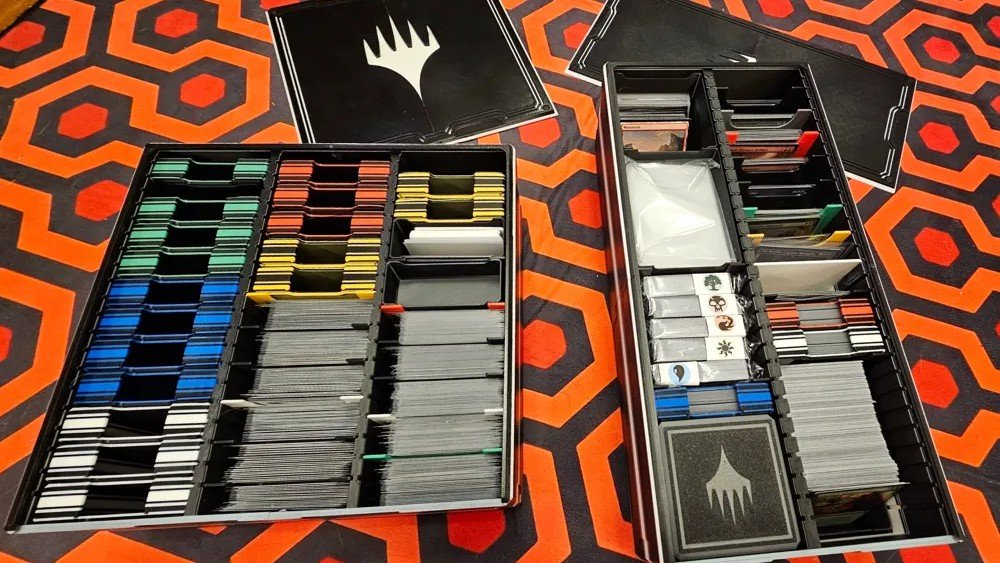
- you’ll need to add sleeves and basic lands
- a small handful of cards may be non-English, and the list may be off by a card or two
In the shop, there are two $100 listings: one for a Modern Cube and one for a Vintage Cube. The product pages themselves are extremely minimal (more on that later), but each links out to a Cube Cobra list.
Print quality and card feel
If you’re shopping here, you probably care about one thing: do they feel like real Magic cards once sleeved?
The site explicitly claims they do, and that’s the right standard for proxy cube. Most cube groups sleeve anyway, and in sleeves, the difference between “close enough” and “annoying” is mostly:
- consistent thickness and stiffness
- clean, readable print
- a surface finish that doesn’t feel like printer paper
The Hundred Dollar Cube pitch is that the cards hit that “feels right” zone: premium cardstock, UV-coated, and intended to match the weight, size, and thickness of original Magic cards. If you’re trying to run cube night without babying expensive staples, that’s exactly the target.
One thing I wish they did better: publish basic specs. Even a simple “stock weight + finish type” line would help set expectations and reduce surprises.
The cube lists and gameplay expectations
This is where the product is either a dream or a mild nuisance, depending on your personality.
If you want a cube that shows up ready to sleeve and draft, this is great. If you want a cube where every art choice is curated to your taste, you’re probably going to tweak it anyway.
A detailed community review (from a buyer who ordered the double-sided vintage/modern version) basically lands here:
- overall value is strong for the money
- sorting and sleeving is manageable, and some of the cards are already organized by “side”
- art choices vary, and not everyone loves the alternate-art side on some cards
- a handful of foreign-language cards can pop up, which may or may not bug your group
That’s normal for “budget proxy cube that ships to your door.” The important part is that the functional play experience is there, and you can always swap a few cards as you refine it.
Price and value
Here’s the honest math: $100 for 540 cards is absurdly cheap relative to building anything resembling vintage power or “no-ban modern” out of real cards. And cube is one of the best places to use proxies, because the entire point is replayability and shared gameplay, not ownership flexing.
The site also advertises a free set of 10 fetch lands with purchase, which is a nice bonus if you’re trying to get a cube off the ground quickly.
So in this Hundred Dollar Cube review, the value proposition is clear: pay a flat price, get a cube, sleeve it, draft it. You’re buying time and convenience as much as you’re buying cards.
Ordering experience and site transparency
This is the one area where the site feels unfinished.
As of today:
- the blog is basically empty
- the product pages don’t have photos
- there are no on-site reviews yet
If you’re used to modern ecommerce polish, this will feel barebones. The upside is that the shop is straightforward: pick Modern or Vintage, add to cart, checkout.
If they add just a little more detail (photos, a short FAQ, and a quick “what stock/finish is this”), it would immediately increase buyer confidence.
Downsides and “read this before you buy”
This is the part that saves you from buyer’s remorse.
- It’s a proxy product. That’s a feature for cube night, and a dealbreaker for sanctioned play.
- Double-sided cards imply opaque sleeves. If one side is a different card or different art, you do not want light sleeves.
- Art consistency can be mixed. Some people love variety. Some people want “all modern frame, all the time.”
- A few cards may be non-English. The site calls this out, and buyers have noticed it too.
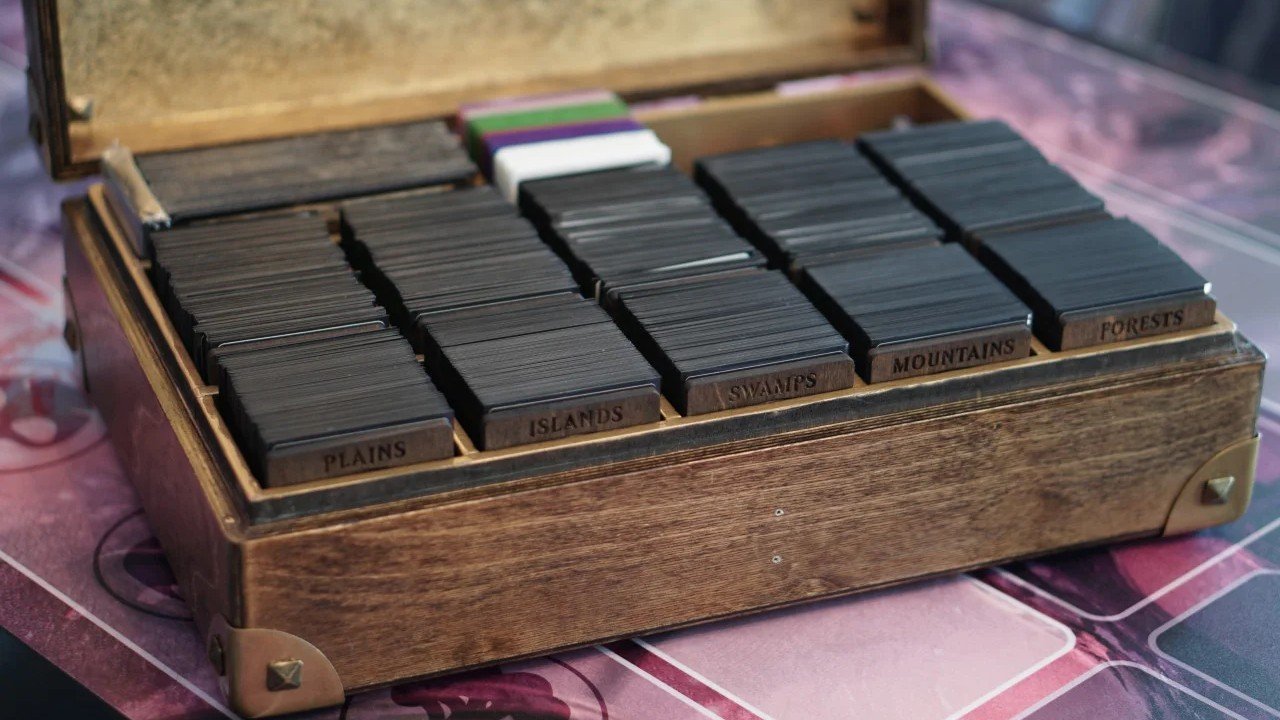
- You’ll still need basics, sleeves, and probably a storage solution. That’s normal, just don’t forget it.
Best for
- Your first “serious” cube when you want powered gameplay without spending months sourcing cards
- Playgroups that draft often and want a cube they can tweak over time
- People who sleeve everything anyway and mainly care about in-sleeve feel and readability
- Anyone who wants a cheap baseline and plans to swap 10–30 cards to match their taste
Not for
- People who only play sanctioned events
- People who want a fully curated, art-consistent cube out of the box
- Anyone who needs a super detailed spec sheet before buying (until the site adds one)
Final verdict
If you want a cube you can actually draft, shuffle, and enjoy without treating it like a museum exhibit, the Hundred Dollar Cube concept makes a lot of sense. This Hundred Dollar Cube review comes down to one sentence: it’s a convenience-first proxy cube with strong value, and you’re trading polish and perfection for price and speed.
If you’re comfortable with proxies and you can live with a few minor quirks, it’s a very practical way to get cube night running.