
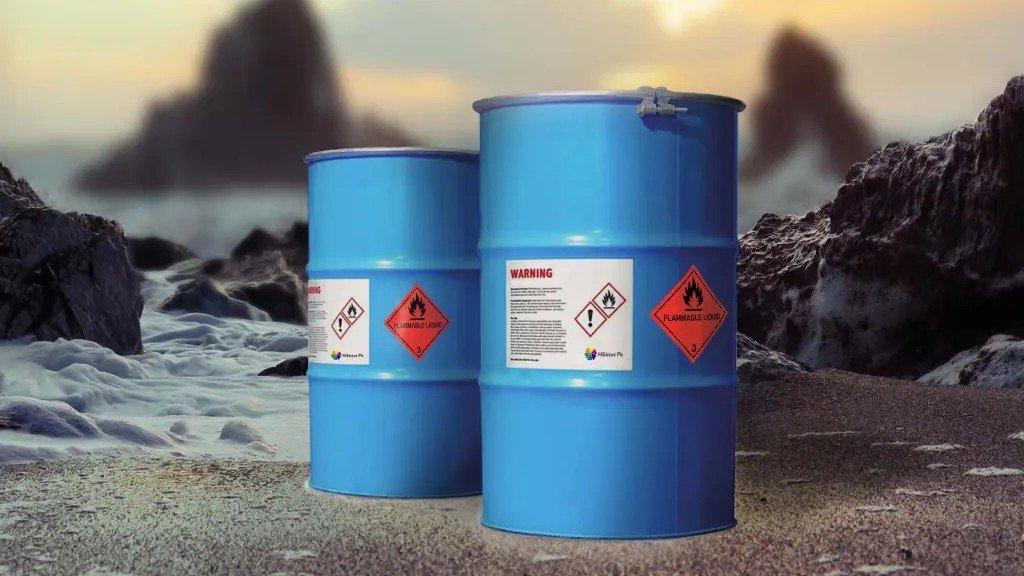
BS5609 labels for chemical drums are a deep-cut label topic in the truest sense. Most people shopping for labels will never need them. But if you do need them, normal “durable” language is not enough. You need to know what the standard actually means and why generic waterproof stock is not the same thing.
BS5609 labels for chemical drums matter because chemical containers shipped in harsh conditions, especially by sea, need labels that stay adhered and readable long after ordinary labels would quit. If that sounds extreme, it is. That is the point. These labels are built for jobs where losing the label can create real safety and compliance problems.
What BS5609 Actually Refers To
BS5609 is a British Standard for printed pressure-sensitive labels used in marine environments. In plain English, it is about whether a label system can stay attached, intact, and legible under punishing conditions that ordinary product labels are not designed to survive.
This is where people simplify too much. They hear “marine-grade” or “waterproof” and assume that is close enough. It is not. BS5609 is about tested durability, not just marketing language. The standard is tied to label performance in conditions like saltwater exposure, abrasion, and weathering.
For chemical drums, that matters because the label is not decoration. It carries identity, warnings, and hazard communication.
Why BS5609 Labels for Chemical Drums Are Different
A chemical drum label has to do more than stick for a while in a warehouse. It may face rough handling, chemicals, sun, moisture, salt exposure, and long transit. If the drum is transported by sea or could be exposed to marine conditions, the label has to keep doing its job after conditions get ugly.
That is why BS5609 labels for chemical drums are a different conversation from ordinary product packaging labels. The adhesive matters. The face stock matters. The print method matters too. It is a system, not just a sticker.
One especially important detail is that the standard is discussed in sections. Section 2 covers the blank label material and adhesive. Section 3 covers the final printed label, including print durability and the printing system used on that certified stock. So buying a durable blank material is not automatically the same thing as having a fully compliant printed label.
When You Actually Need This Level Of Label
If you are labeling hazardous chemical drums, pails, jugs, or containers that move through marine or highly exposed industrial environments, BS5609 should be on your radar.
If you are making soap labels, coffee bag stickers, or warehouse shelf tags, it probably should not be. This is not one of those standards you casually upgrade into because it sounds nice. It is specialized. It solves a real problem, but it is not a default for normal packaging.
In my opinion, this is where people can waste money. They either ignore the standard when they truly need it, or they overbuy industrial label performance for a simple packaging job that does not need it.
What To Check Before You Order
First, confirm whether you need Section 2 material only or a full Section 3 printed solution. That is not a minor detail.
Second, check surface type. Chemical drums may be metal, plastic, painted, or coated, and the label needs to match that real surface.
Third, confirm exposure conditions. Saltwater, chemicals, UV, abrasion, and temperature swings are not all the same problem.
Fourth, make sure the printing method is part of the compliance conversation if your application requires it. A tough blank stock can still fail the final-use test if the print itself does not hold up.
This is the kind of label job where vague answers are a bad sign. If the supplier cannot explain what is certified and at what level, keep asking.
A Simple Buying Rule
If the label is for chemical drums or dangerous goods in marine transport, treat BS5609 as a real requirement, not a nice-to-have.
If the label is for ordinary industrial use but not marine transport, a very durable weatherproof or chemical-resistant label may still be enough without full BS5609 certification.
If you do need BS5609, do not assume every waterproof label qualifies. That shortcut is how people get into trouble.
FAQs
Does BS5609 Only Matter For Sea Transport?
It is mainly associated with marine durability and chemical goods shipped by sea, but some teams also choose it when they need unusually high durability in harsh industrial environments.
Is A Waterproof Label The Same As A BS5609 Label?
No. A waterproof label may resist water, but BS5609 refers to a specific durability standard for marine-use pressure-sensitive labels.
What Is The Difference Between Section 2 And Section 3?
Section 2 covers the blank label material and adhesive. Section 3 covers the final printed label system, including print permanence and performance on certified stock.
Do All Chemical Drum Labels Need BS5609?
Not all of them. It depends on transport conditions, regulatory needs, and the environment the label must survive.