
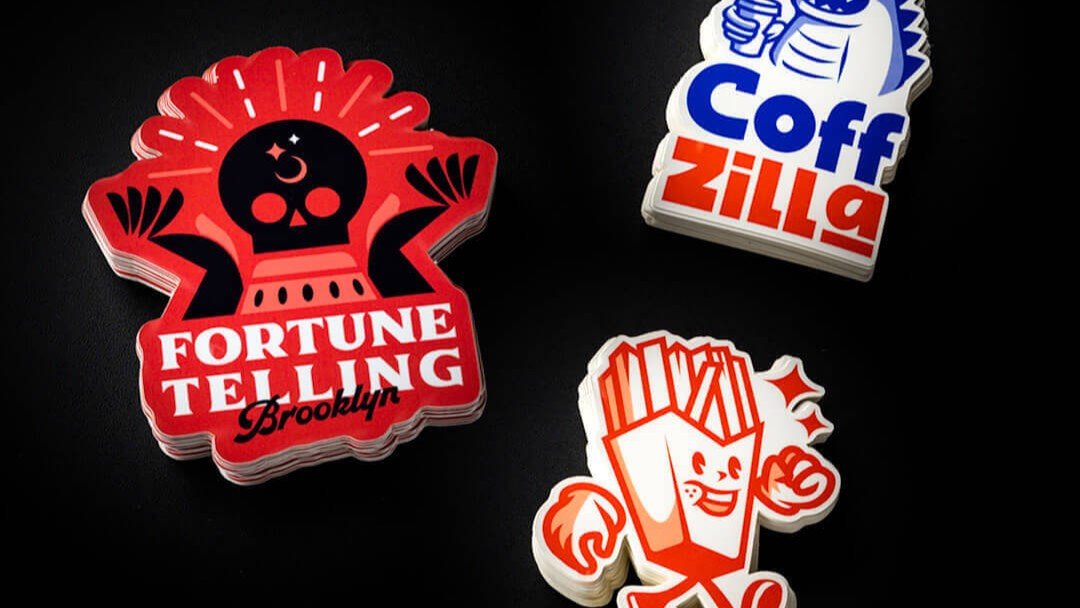
If you’re comparing Vinyl vs BOPP vs Paper Stickers, you’re really asking one question: “what’s going to survive real life on the surface i care about?” And yeah, the answer is annoyingly specific. A sticker that’s perfect for a candle jar can be a terrible choice for a water bottle. A sticker that’s great for a weekend event can be the wrong choice for outdoor gear.
Also, quick reality check: lots of shops use “vinyl” as a catch-all term for “plastic sticker.” So when you’re shopping, you’re not just picking artwork, you’re picking a label material.
Here’s how to think about Vinyl vs BOPP vs Paper Stickers in plain language, with durability and use cases that actually match how people use stickers.
The quick comparison table
| Material | What it is | Best at | Not great at | Common use cases |
|---|---|---|---|---|
| Vinyl | Usually PVC film | Outdoor durability, flexibility, abrasion resistance | Cost, eco concerns, “vinyl” can be vague | Laptops, water bottles, cars, outdoor decals |
| BOPP | Polypropylene film | Product labels, moisture + oil resistance, clean print | Stretchy/squeezable containers, deep submersion | Bottles, jars, cosmetics, food, roll labels |
| Paper | Paper stock with adhesive | Cheap, fast, easy to write on | Water, tearing, long-term outdoor use | Indoor promos, packaging seals, kids, short-term labels |
Vinyl stickers: the “hard use” workhorse
When people say “vinyl stickers,” they usually mean a plastic film sticker (often PVC) that holds up to handling, scuffs, and weather better than paper. Vinyl is the thing you want when the sticker is going to get touched constantly or live somewhere hostile.
What vinyl is good at:
- Outdoor decals and UV exposure (especially when laminated)
- Water resistance (again, especially when laminated)
- Flexibility on slightly curved surfaces
- Scratch resistance compared to uncoated materials
Where vinyl wins in real life:
- Water bottles (hand washed or gently washed)
- Laptops, toolboxes, helmets
- Car windows and bumpers
- Outdoor signage and gear
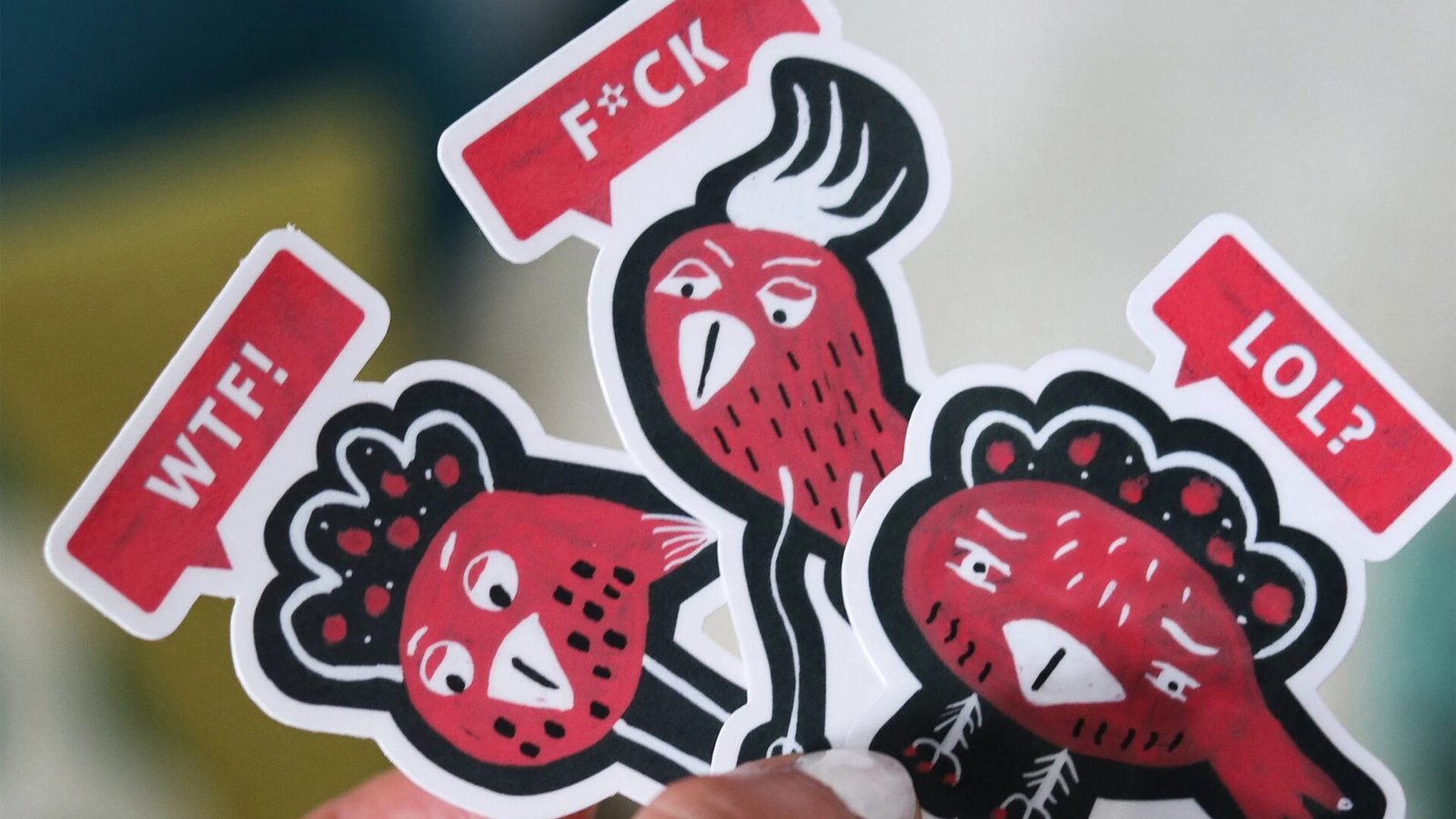
What to watch for:
- Ask if it’s laminated. A laminate is often the difference between “nice sticker” and “this looks trashed in 3 weeks.”
- Ask what they mean by “vinyl.” Some vendors are loose with terms. If they can’t tell you whether it’s PVC, polypropylene, or polyester, that’s a yellow flag.
- Adhesive matters. A great vinyl face stock with the wrong adhesive can still fail on textured plastic, powder-coated surfaces, or anything dusty.
If you’re also choosing a vendor, I’ve written up how materials and durability vary across popular sticker shops in this comparison: StickerYou vs StickerMule vs CustomStickers.
BOPP stickers: the product label specialist (polypropylene film)
BOPP stands for biaxially oriented polypropylene. In practice, it’s a thin plastic film that’s common in product labels, especially on rolls. It’s popular because it looks clean, prints crisp, and handles moisture and oils better than paper.
What BOPP is good at:
- Moisture resistance from condensation, fridge sweat, splashes
- Oil and chemical resistance (think lotions, soaps, kitchen oils)
- Tear resistance compared to paper
- Great for a “no-label look” in clear BOPP applications
Where BOPP wins in real life:
- Shampoo, body wash, cosmetics
- Food jars, bottles, beverages
- Refrigerated products
- Anything that gets handled a lot with slightly gross hands (it happens)
What to watch for:
- BOPP is often described as water-resistant, but not always “drop it in a bucket for a week” waterproof. That’s not a flaw, it’s just the difference between splash/condensation and long submersion.
- If you’re labeling squeezable containers, BOPP can wrinkle or “flag” depending on the adhesive and the container. That’s where you may need a more conformable film or a different adhesive system.
- Clear BOPP usually needs white ink behind colors if you want designs to stay bold instead of transparent-looking. If you’re doing clear labels, this guide helps: White Ink, Clear Materials, and Spot Colors: Beginner’s Guide.
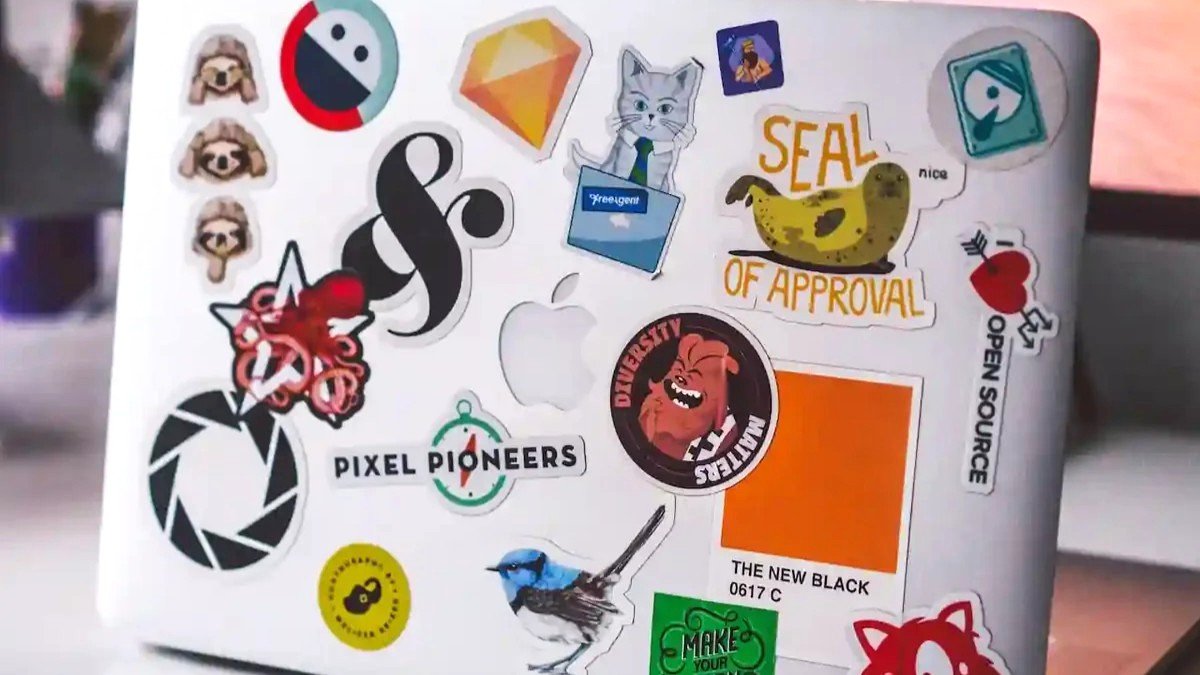
Paper stickers: cheap, easy, and honest about their limits
Paper stickers are exactly what they sound like: paper face stock with adhesive. They’re popular because they’re affordable and they print nicely, especially for simple indoor use.
What paper is good at:
- Low cost for big quantities
- Short-term promos (events, handouts, packaging inserts)
- Easy to write on (especially uncoated paper)
- A more “natural” look (kraft paper labels are a whole vibe)
Where paper wins in real life:
- Bakery boxes, takeout bags, tissue seals
- Mailers and packaging where the sticker won’t get soaked
- Indoor labeling (bins, folders, office stuff)
- Kids sticker sheets, planners, reward charts
What to watch for:
- Water is the enemy. Even “coated paper” can fail at the edges once moisture gets in.
- Paper tears easily. If the sticker will be picked at, handled, or scraped, paper loses fast.
- If you need “paper look” but better durability, ask about synthetic paper or paper with a protective over-laminate. It’s not the same as true film, but it can be a solid middle ground.
Durability isn’t just the material (this is where people get burned)
Two stickers can both be “vinyl” and perform totally differently. Same for BOPP and paper. Durability depends on the full build:
- Laminate or no laminate: protects ink from abrasion, moisture, UV, and chemicals.
- Ink system: some inks handle sun and chemicals better than others.
- Adhesive type: permanent vs removable, acrylic vs rubber-based, freezer-grade, etc.
- Surface energy: glossy metal and clean glass are easy. Textured plastic and powder coat are not.
- Environment: dishwasher heat, road salt, sunscreen, constant sun, freezer temps. All brutal.
So if you want a sticker to last, don’t just ask “is it vinyl?” Ask: “Is it laminated? What adhesive is it using? Is this meant for outdoor use?”
Which should you pick? A simple use-case cheat sheet
Here’s the boring but useful answer for Vinyl vs BOPP vs Paper Stickers:
- Pick vinyl if it’s going outdoors, getting handled a lot, or living on a water bottle/laptop/car.
- Pick BOPP if it’s a product label that will see moisture, oils, or refrigeration (especially roll labels).
- Pick paper if it’s short-term, indoors, budget-driven, or you want a writable / natural look.
If you’re still stuck, think of it this way:
- “Will this get wet?” If yes, paper is probably wrong.
- “Will this get abused?” If yes, vinyl is usually safest.
- “Is this for packaging/product labeling?” If yes, BOPP is often the smartest default.
Conclusion
Most sticker regret comes from picking the wrong material for the job. Not bad art. Not even a bad printer. Just the wrong base.
So when you’re deciding between Vinyl vs BOPP vs Paper Stickers, match the material to the environment:
- Vinyl for hard use and outdoor life
- BOPP for product labels and moisture/oil resistance
- Paper for indoor, short-term, and budget-friendly runs
And if a shop can’t clearly explain what their “vinyl” actually is, or whether there’s a laminate, that’s not a detail. That’s the whole game.