
AndreoniCards (often shortened to Andreoni) is a specialist printer focused on custom business cards and plastic cards, run by designer Sabatino Andreoni. They work heavily with clear, frosted and opaque plastic cards, plus standard 16 pt paper cards, postcards and related pieces. Their site leans more “pro printer” than consumer storefront, which already tells you something about who they’re trying to serve.
Print quality and materials
Andreoni’s main calling card is plastic. They offer multiple thicknesses and finishes, with 0.76 mm (standard credit-card thickness, also called 30 mil or CR80) as a core option. That’s the same feel you get from bank or hotel key cards, so their plastic business cards immediately come across as substantial and durable.
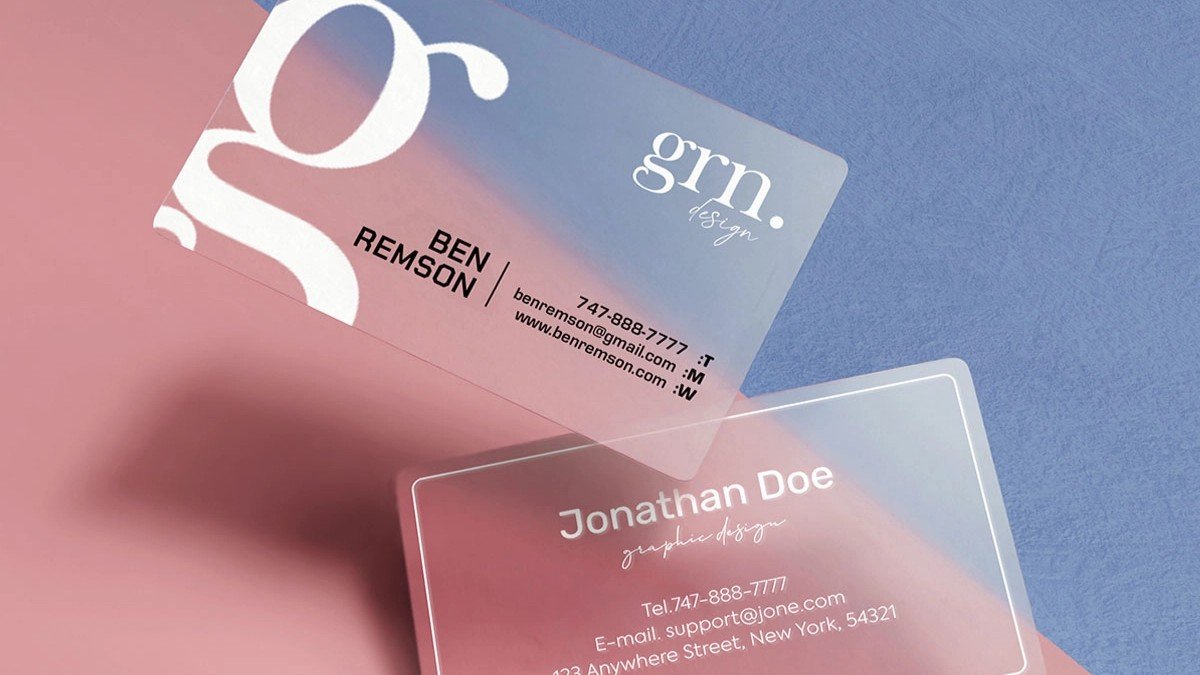
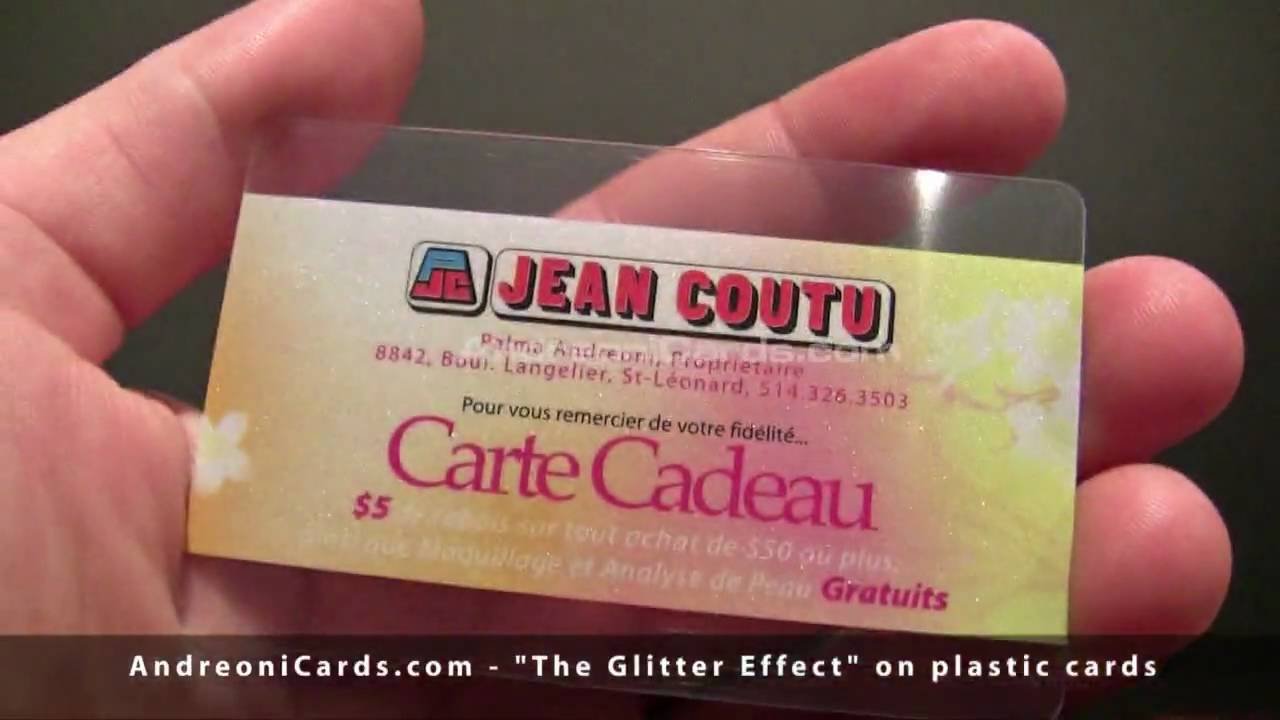
On the clear side, their plastic cards can be fully transparent, partially clear with selected opaque areas, or completely opaque where needed. That flexibility lets designers play with see-through elements, white blocks and layered artwork instead of just slapping a logo on a solid rectangle.
Their own samples and social posts show techniques like embossing with metallic tipping, spot UV, and special Pantone metallic inks on clear frosted stock. That combination of thickness, transparency and specialty finishes puts Andreoni in the more premium plastic tier, closer to small specialty shops than typical budget plastic card add-ons.
They also print standard paper business cards on heavy 16 pt stock with gloss or matte / “silky” style coatings. So if you need matching paper cards to go with plastic key cards or loyalty cards, they can keep everything under one roof.
Overall impression on quality: the materials and finish options look carefully chosen rather than generic. If you care about how a card feels in the hand, Andreoni is a strong contender.
Options and specialty finishes
Where Andreoni stands out is the mix of formats and specialty features around business cards. From their catalog and examples, you’ll see options like:
- Clear, frosted and opaque plastic cards
- Credit-card thickness 0.76 mm plus thinner plastics where needed
- Standard 3.5″ x 2″ paper cards on heavy stock
- Matte, satin, glossy and “silky” coated paper cards
- Embossing and metallic tipping on plastic cards
- Spot UV and special Pantone metallic inks
- USB business cards and other plastic formats that share card dimensions
They also show a large gallery of clear and plastic card design samples, plus traditional paper business card layouts. That gives some reassurance that you’re not being experimented on as the first plastic card customer.
If you want exotic die-cut paper shapes or ultra-rare specialty papers, Andreoni isn’t trying to be a “paper-nerd superstore.” But for plastic and plastic-adjacent formats, they’re much stronger than most general printers.
Design workflow, templates and file handling
Andreoni is clearly set up for people who already work in design tools or at least have access to someone who does.
- They publish detailed art specifications and requirements, with preferred formats like Illustrator, Photoshop or high-resolution JPEG. Fonts need to be converted to outlines before sending files, which is standard pro-print practice.
- They provide downloadable templates for business cards, plastic cards, lenticular cards, USB cards, holders, envelopes and more, so you can line up bleeds, safe areas and cut lines correctly.
- External commentary on business-card printers notes that Andreoni accepts a wide range of file types (JPG, TIF, EPS, PSD, AI, CDR) and will actually look at your design and suggest corrections, similar to shops like MOO and UPrinting.
What they don’t have is a modern, in-browser drag-and-drop editor with thousands of pre-built templates. If you’re hoping to click a few stock icons, type a name and call it done, Andreoni is probably not the easiest option.
If you already live in Illustrator or Photoshop though, the combination of tight art specs, templates and human review is a plus, not a burden.
Pricing and value
Andreoni publishes a price list that covers standard paper business cards, plastic business cards and related products. Paper cards are listed on 16 pt stock at the standard 3.5″ x 2″ size, while plastic and specialty items are grouped separately.
They’re not trying to shout “99 business cards for $9” at you. Compared with big coupon-driven sites, Andreoni will feel more mid-range to premium, especially for thick plastic or complex effects. That makes sense given the materials and processes involved.
In plain terms, the value question looks like this:
- If you just want cheap paper cards to hand out in bulk, Andreoni probably costs more than you need to spend.
- If you want distinctive plastic cards that function like mini key cards, membership cards or high-end VIP passes, the higher ticket is paying for materials and specialist know-how you won’t get from a bargain printer.
Customer service and reliability
The main signals we have for service quality are:
- A testimonials page with customer quotes praising “absolutely perfect” cards, “excellent service” and appreciation for extra effort on orders.
- External how-to content that groups Andreoni with brands known for checking files and suggesting corrections rather than just auto-printing whatever you upload.
There isn’t a huge volume of third-party reviews compared to mass-market giants, simply because Andreoni is a smaller shop. The available signals point to responsive, detail-oriented communication rather than a fire-and-forget web-to-print mill. That fits with the “designer-run boutique” feel of the brand.
Ordering experience
Andreoni’s ordering flow feels more old-school than modern template-driven shops. The site leans heavily on:
- Product pages that explain options
- Art spec and template downloads
- Price lists and sample-kit offers
- Contact and quote forms rather than a fully automated configurator with sliders for every variable
If you’re comfortable reading print specs and sending print-ready files, this is fine. If you want a polished shopping cart with live pricing changes as you tweak thickness, spot UV and foil, Andreoni may feel dated.
The upside is that complex plastic projects often benefit from a bit of back-and-forth anyway, especially if you’re combining transparency, white ink and special effects.
Turnaround time and shipping
Andreoni doesn’t push hard on “48-hour” messaging the way some speedy online printers do. The emphasis is more on quality plastic and specialty work than furious speed.
In practice, you should expect:
- Reasonable production times for standard paper cards
- Longer lead times for thick plastic, embossing, metallic inks and spot UV
- The need to factor in shipping time, especially if you’re outside their primary region
If deadline is your absolute top priority, a local quick-turn shop or a big online provider with rush options might be safer. If you have a bit of lead time and care more about the end result, Andreoni fits that profile better.
Who Andreoni is best for
Based on everything above, here’s who Andreoni fits best.
Great fit
- Designers, agencies and brand managers who already work in Adobe tools and want plastic cards that actually feel like credit cards
- Businesses that want clear or frosted plastic cards with layered effects, spot UV, embossing or metallic inks
- Companies that need a mix of plastic cards, USB cards and matching paper cards from one specialist shop
Probably not ideal
- Someone who just needs 250 basic paper business cards as cheaply as possible
- Users who rely heavily on web-based editors and templates instead of sending print-ready files
- Last-minute shoppers with hard deadlines and no buffer for specialty production and shipping
If that first list sounds like you, most andreoni business cards reviews are going to land on “strong yes, assuming the budget works.”
Pros and cons
Andreoni business cards – pros
- Very strong plastic card expertise, including clear, frosted and opaque options
- True credit-card thickness available for a substantial feel
- Access to specialty finishes like embossing, metallic tipping and spot UV on plastic
- Detailed art specs, templates and broad file support for pro users
- Good qualitative signals on customer service and file checking
Andreoni business cards – cons
- Site and ordering flow feel dated compared with modern template-driven printers
- No consumer-friendly design editor or huge template library
- Pricing will be higher than budget mass-market paper cards, especially for plastic
- Turnaround is not marketed as ultra-fast, so rush jobs may be risky
Final verdict
Andreoni is not trying to be VistaPrint or Moo. They sit in a different lane: a small, specialist outfit focused on plastic and premium business cards with serious attention to materials and production details.
If you want plastic business cards that feel like real cards, not thin novelty giveaways, Andreoni is worth shortlisting. If you want a cheap stack of paper cards and a cute online editor, you’re better off somewhere else.
In other words, Andreoni is a good match for people who think about business cards as tiny physical products, not just as a printed line item. If that’s you, they’re very much worth a look.