
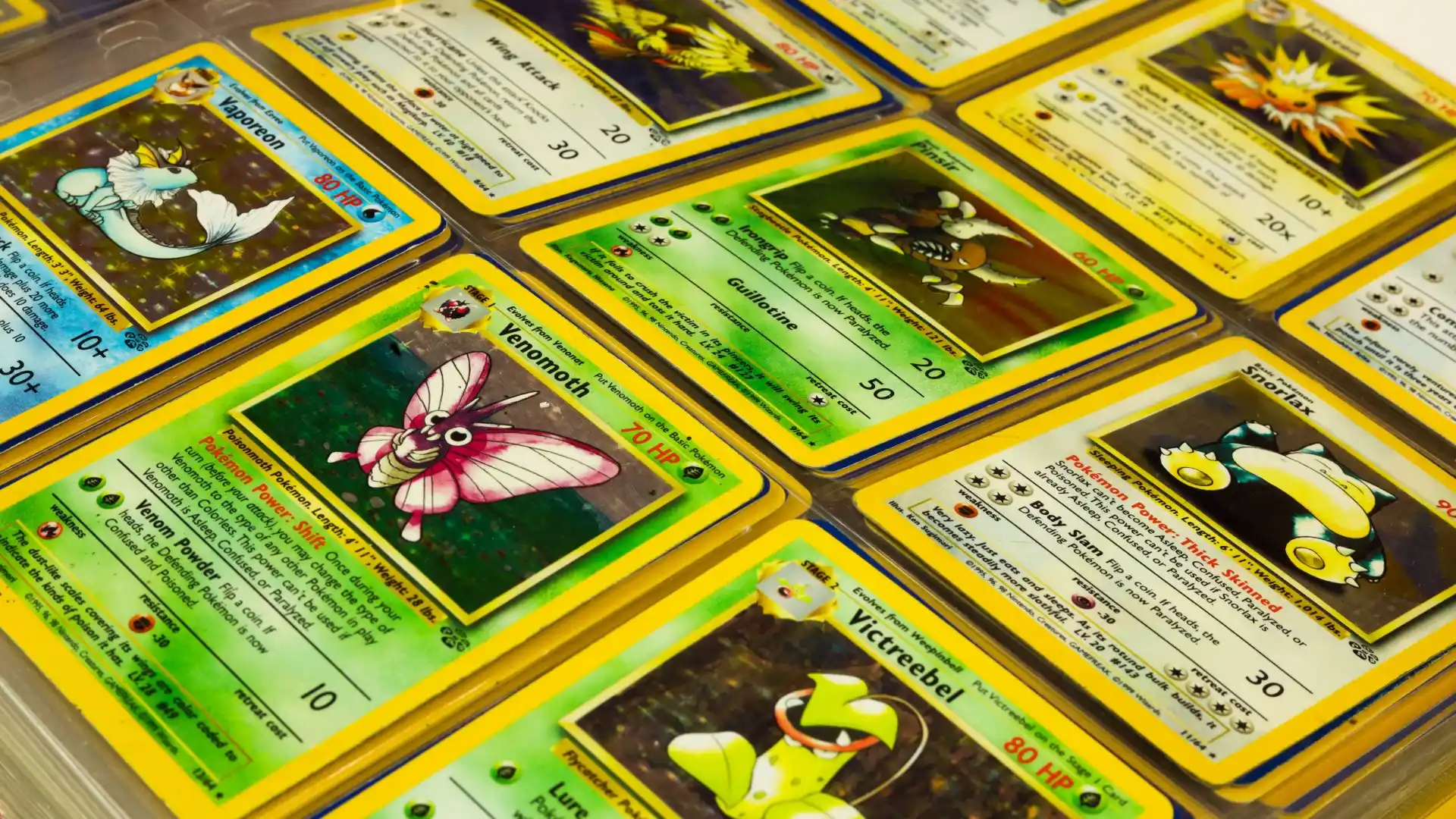
If you have only ever bought English or Japanese packs, it is easy to assume the game is only in those two languages. Then you see a card with Thai text or Chinese characters and start wondering: what languages are Pokémon cards printed in, really?
The short answer: a lot more than you might think. The Pokémon Trading Card Game (TCG) has grown into a global product with a long list of languages, and that list has changed over time. Below I’ll walk through the main languages used today, some older and regional ones, and how this all works for players and collectors.
How many languages are used today?
Official numbers now say the Pokémon TCG is printed in sixteen languages worldwide. That figure has grown as Pokémon expanded into new markets and added more localized versions of the game.
A few years ago you would have seen people quote eleven to fourteen languages, depending on whether they counted newer Asian languages or online-only prints. With recent expansions, especially in Asia and Latin America, that total has climbed to sixteen.
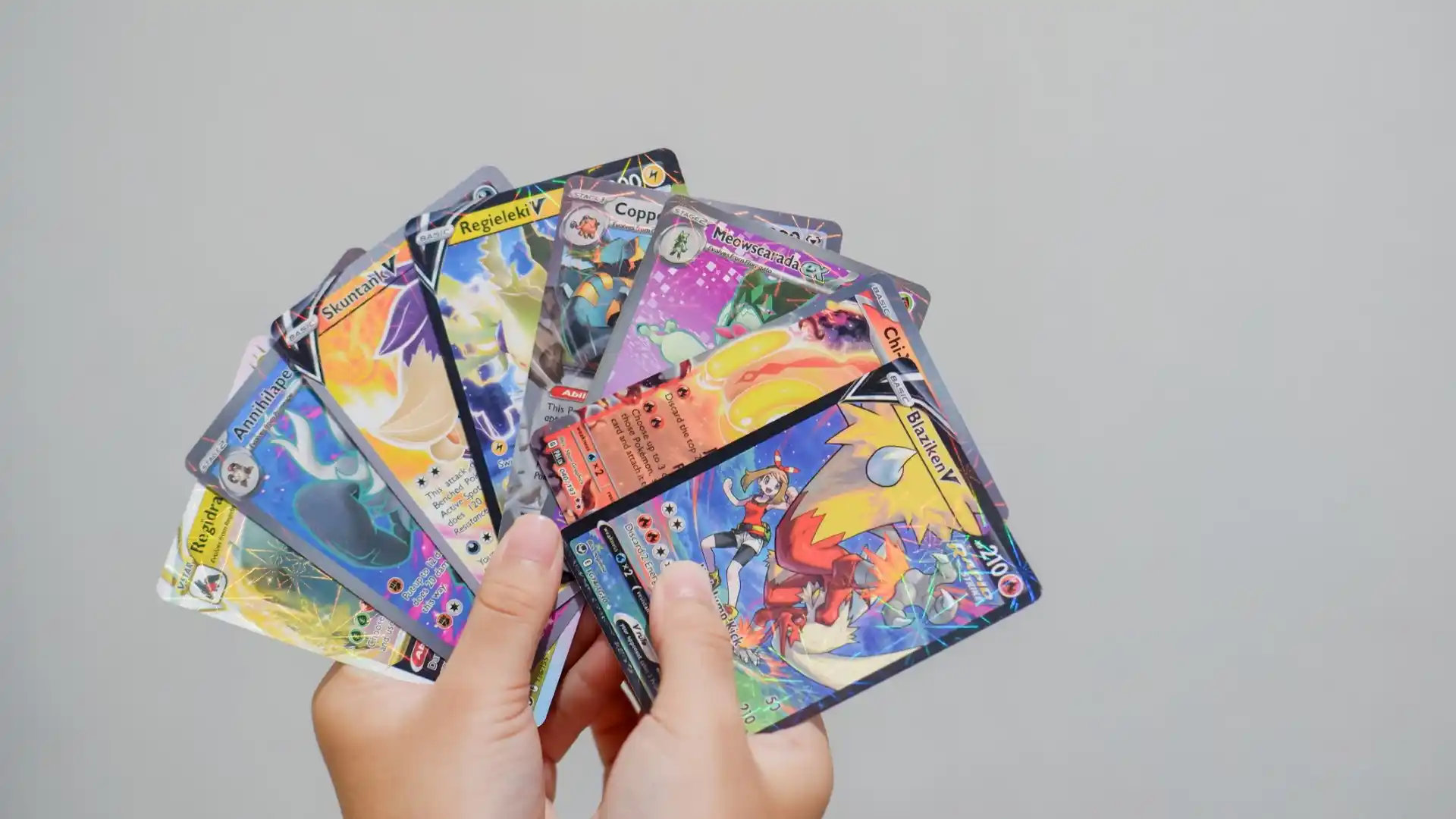
That does not mean every set appears in every language. But it does mean that the global language footprint of the game is big and still growing.
Core modern Pokémon TCG languages
Let’s start with the main languages you will see for current sets and products. These are the “core” languages that get regular releases:
- Japanese
- English
- French
- German
- Italian
- European Spanish
- Latin American Spanish
- Brazilian Portuguese
- Korean
- Traditional Chinese
- Simplified Chinese
- Indonesian
- Thai
You can group them loosely by who manages them:
- The Pokémon Company International handles English, French, German, Italian, Spanish and Portuguese for markets like North America, Europe, and Brazil.
- The Pokémon Company in Japan manages Japanese and a growing set of Asian languages such as Korean, Indonesian, Thai, and both forms of Chinese.
Latin American Spanish is a fairly new addition. For years, Spanish cards used European Spanish. Now there is a language variant tuned specifically for Latin America, with its own wording and branding.
Traditional and Simplified Chinese are also separate entries. Traditional Chinese covers Hong Kong and Taiwan, while Simplified Chinese is for mainland China.
Older and regional languages
On top of the modern list, Pokémon cards have shown up in a few extra languages at different times in the past. These often came from the early years of the game or from specific regional pushes.
Some of the notable “extra” languages include:
- Dutch
- Polish
- Russian
For example, early sets under Wizards of the Coast included prints in Dutch and Portuguese from Portugal. Later, when Portuguese was relaunched as a TCG language, the focus shifted to Brazilian Portuguese.
Base Set alone had an impressive spread: cards exist in Japanese, English, German, French, Italian, Spanish, Portuguese, Dutch, Korean, and at least one Chinese variant. Not every language carried through every expansion, but it shows how wide Pokémon reached even in the early 2000s.
These older languages still matter to collectors. A Dutch or Polish Base Set card is not part of the current sixteen-language lineup, but it is a real piece of Pokémon history.
Regional mix: where which languages show up
The list of what languages Pokémon cards are printed in is global. How those languages show up in stores is regional.
Roughly, it looks like this:
- North America – Mostly English; French cards appear in Canada.
- Europe – Mix of English, French, German, Italian, Spanish, and (in some markets) Portuguese.
- Latin America – English in some markets, but Latin American Spanish and Brazilian Portuguese now play a bigger role.
- Asia outside Japan – Korean, Traditional Chinese, Simplified Chinese, Indonesian, Thai, and sometimes English.
- Japan – Japanese cards dominate; foreign-language cards are mostly imports for collectors.
So even though sixteen languages exist, your local store might only regularly stock one to three of them.
What about tournament legality?
Knowing what languages Pokémon cards are printed in is one thing. Knowing which ones you can use in official play is another.
Play! Pokémon’s tournament rules set which card languages are allowed in each region. The details change over time, but the general idea is:
- You can always use cards printed in your region’s main language.
- English is widely accepted in international events, even outside English-speaking countries.
- Some regions allow a mix of local language plus English; others restrict decks to specific languages.
In older formats, foreign-language cards were sometimes more flexible to use, as long as you could provide a local-language reference. Modern rules lean more toward keeping decks readable for judges and opponents, which means fewer “random foreign cards” at top-level events.
If you only play casually at home, of course, you can mix whatever languages you like.
How to tell what language a card is in
If you pull a card you cannot read, here are some simple ways to identify its language:
- Look at the stage line
The words for “Basic Pokémon” and evolution stages are distinct in each language. “Pokémon de base” is French, “Basis-Pokémon” is German, “Pokémon Básico” can be Spanish or Portuguese, and so on. - Check the small legal text
The fine print at the bottom often includes hints: publisher names, region codes, or words that point to a language family (like “Spiele” for German). - Compare against known examples
Guides that show the same card side by side in multiple languages are helpful. You can match logos, set symbols, and layout quirks to see which language you have. - Ask online
Posting a clear photo in a Pokémon TCG collector or trading community usually gets you an answer within minutes. There are many people who focus on foreign-language cards and know the patterns well.
Why Pokémon supports so many languages
From a business point of view, the answer is simple: the game sells better when players can read their cards.
Adding more languages:
- Lowers the barrier for new kids to start playing.
- Makes it easier to hold local events and teach the game.
- Helps Pokémon reach new markets without relying on imports.
From a collector point of view, it also creates a huge space for “language collecting.” Some people chase one favorite card in every language it was printed in. Others focus on a specific language that feels special or rare in their region.
Either way, the long list of languages is part of what makes the Pokémon TCG feel global instead of just Japanese and English.
Wrap-up
So, what languages are Pokémon cards printed in?
Today’s official lineup sits at around sixteen languages, including Japanese, English, the major Western European languages, Brazilian Portuguese, multiple Asian languages, both Traditional and Simplified Chinese, and a newly added Latin American Spanish. On top of that, older sets brought in Dutch, Polish, Russian and other regional prints that still show up in binders and auctions.
Not every set uses every language. Not every language is legal in every region’s tournaments. But if you have ever felt like the hobby was “just English and Japanese,” the real picture is much bigger—and still changing.